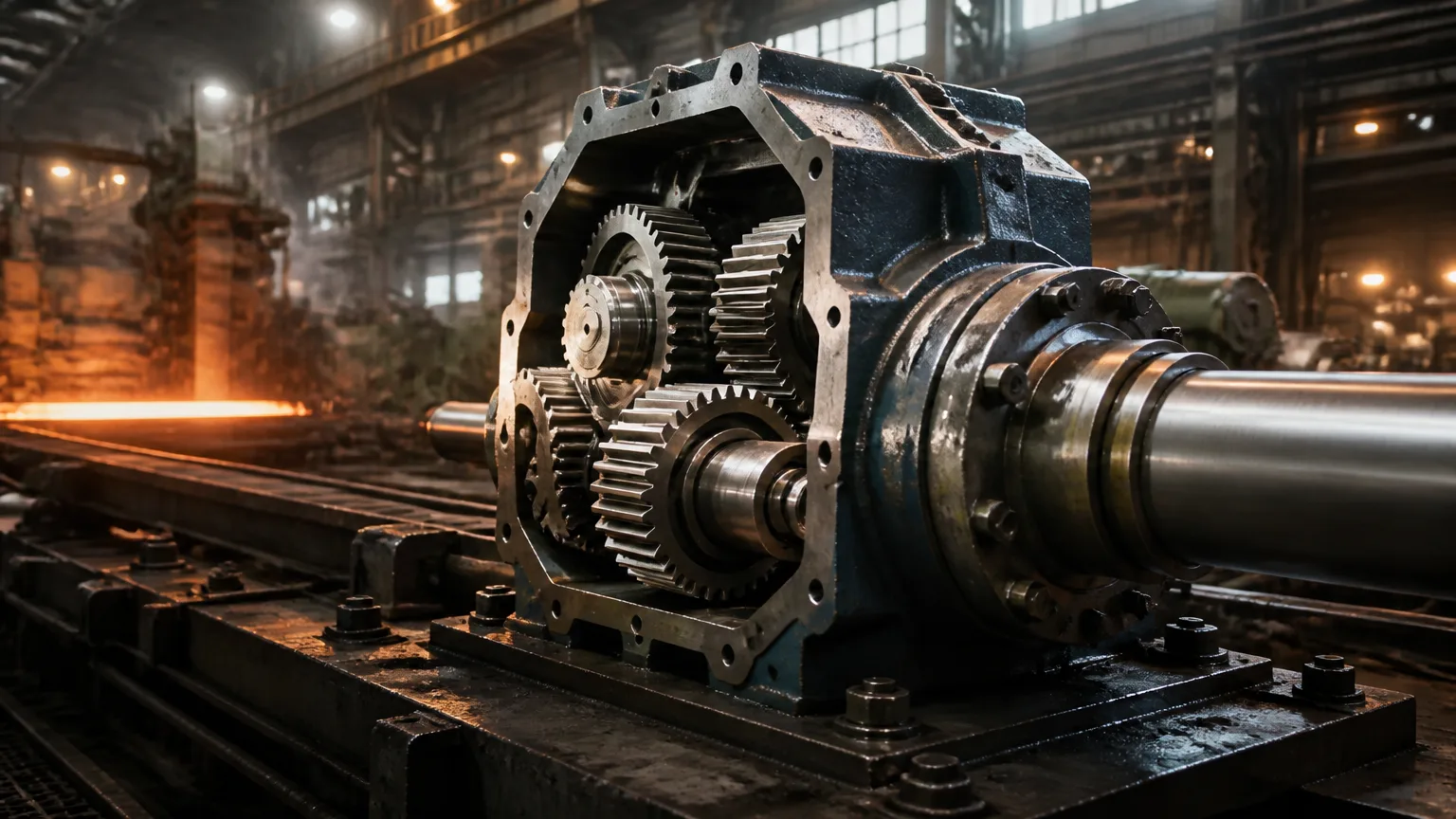
Choosing high torque gearboxes is a reliability and production decision, not simply a search for the highest torque rating. The right unit must handle normal operating torque, plus peak and starting loads that can strain equipment during demanding cycles. A mismatch can lead to downtime, premature wear, or costly replacement.
A practical selection process helps facilities compare replacement options by load, speed, operating conditions, physical fit, and lifecycle support. It can also show when specialist repair expertise may be a better choice than replacement. Explore industrial gearbox solutions to assess the options and identify a path that supports dependable operation.
Define the Load, Torque, and Duty Requirements
Before comparing high torque gearboxes, document what the driven machine demands across its full operating cycle. Separate continuous torque from startup torque, shock loads, and intermittent peaks. A conveyor carrying uneven material, for example, may need extra capacity during loaded starts or sudden jams.
Record input and output speeds, the required reduction ratio, operating hours, and starts per hour. Note whether the machine reverses direction or experiences variable loads. These conditions shape the service factor—the allowance for application severity—and help match the gearbox to the driven machine’s load profile.
Do not size a gearbox by motor power alone. Confirm the manufacturer’s rated torque at the relevant speed and duty, then check that the rating covers peak and startup demands. A high service factor may be appropriate for severe shock or frequent starts, but requirements vary by application.
For variable-speed systems, include the expected speed range and acceleration pattern in your assessment. Review variable speed drive considerations alongside gearbox ratings. A complete duty profile gives vendors the information they need to recommend a gearbox that can handle real operating conditions.
Match Gearbox Type, Ratio, and Mounting to the Machine
With the duty profile established, match the gearbox design and physical layout to the machine. Helical gearboxes offer smooth, efficient operation and suit many continuous-duty applications, but may need more space than compact alternatives. Bevel designs transfer power between shafts at an angle, while planetary gearboxes provide high torque density in a compact package. Compare efficiency, noise, torque capacity, and available space rather than assuming one design fits every machine.
Confirm the required ratio and shaft orientation, then check shaft dimensions, mounting position, coupling, and clearance against the machine and replacement unit. A mismatch can prevent installation or add stress to connected components. For high torque gearboxes, also verify that the selected configuration can transmit the required load without exceeding the machine’s limits.
For a replacement, record the existing gearbox nameplate and measure its interfaces before requesting a quote. Include model details, ratios, shaft dimensions, mounting points, and any space constraints. If specifications are missing or the unit has an unusual design, seek specialist assessment; a Battenfeld gearbox rebuild example shows how experience with specific equipment can support an informed decision.
Account for Environment, Lubrication, and Thermal Limits
A gearbox can meet torque and dimensional requirements yet wear prematurely if its environment is not considered. Assess ambient temperature, dust, moisture, washdown, corrosive exposure, vibration, and installation location. These conditions help determine the seals and enclosure protection needed to keep contaminants out and lubricant in.
Thermal capacity matters, particularly for high torque gearboxes running continuously or at low speeds. These duty conditions can limit heat dissipation and raise operating temperatures, even when the gearbox is correctly sized for its load. Confirm that the unit can manage heat across the expected duty cycle, and consider whether the mounting location restricts airflow.
Specify the correct lubricant and lubrication method for the gearbox design and operating conditions. Also confirm that maintenance points are accessible; a difficult-to-reach unit may need a different service plan. Set inspection intervals around actual exposure and use practical gearbox maintenance requirements to help guide the schedule. A dusty, wet, or high-temperature site may need closer checks than a clean, controlled installation.
Compare Repair, Replacement, and Supplier Support
When a gearbox is damaged, base the decision on inspection findings, parts availability, and the extent of wear. Compare the repair cost and schedule with replacement, including the risk of extended downtime if parts are difficult to source. For help assessing repair options, review how to choose a gearbox repair specialist.
For either option, compare total lifecycle cost—not just the purchase price. Include installation changes, energy use, expected maintenance, spare parts, lead times, and the cost of production downtime. For example, a replacement may cost more upfront but reduce energy use or make routine service easier.
Before selecting high torque gearboxes, ask the supplier or repair specialist to confirm torque requirements and service-factor assumptions against your duty profile. Request supporting documentation and clear details about commissioning, warranty coverage, spare-parts availability, and ongoing technical support. These checks help establish whether the unit can be supported throughout its service life.
Choose for Reliable Torque—and Sustainable Uptime
Choosing high torque gearboxes starts with measured load and duty data, not estimates. Confirm that the gearbox design, ratio, mounting, and physical fit match the application. Then check that materials, sealing, and service access suit the operating environment.
Before committing, document the specifications and verify commissioning, parts availability, and lifecycle support. If application data is incomplete or replacement compatibility is uncertain, consult a qualified gearbox professional. These checks help reduce avoidable downtime and support reliable operation over the gearbox’s service life.