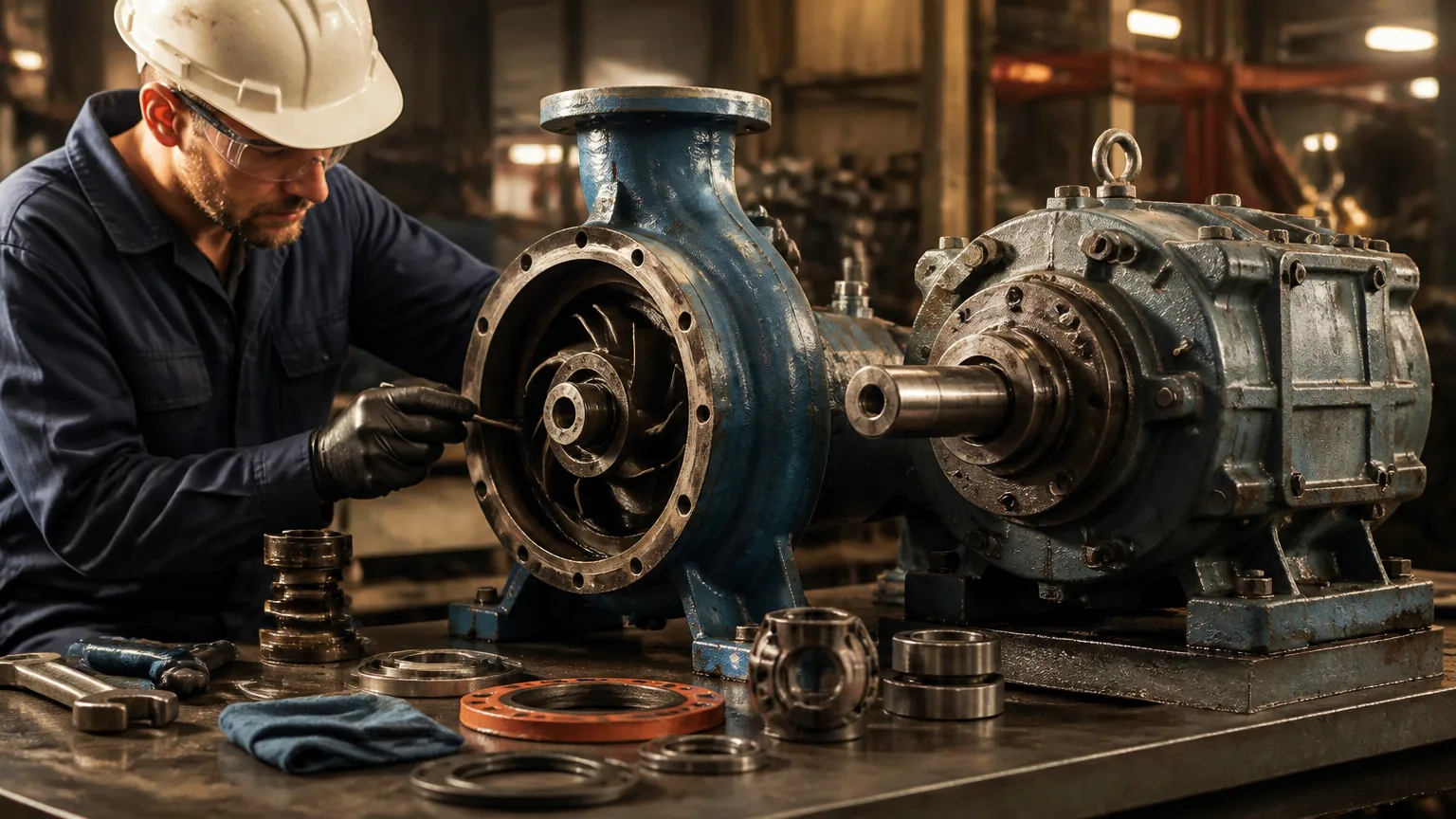
Unusual noise, vibration, heat, leakage, or declining output can signal a problem with a pump or reducer—but these symptoms don’t confirm a specific failure. Prompt industrial pump & reducer repair can help limit disruption, protect connected equipment, and restore dependable operation.
The repair process starts with inspection to identify the cause and assess the damage. From there, you can weigh repair against replacement and understand what’s needed before the equipment returns to service. Scope and turnaround depend on equipment design, operating conditions, parts availability, and inspection findings. Experienced industrial gearbox solutions can help clarify the options and next steps.
Recognize Symptoms and Capture Operating Details
Before arranging an inspection, document what the equipment is doing and when symptoms occur. Changes in pressure or flow, abnormal sound, vibration, elevated temperature, contaminated lubricant, and visible leakage can point to a pump, reducer, or wider system issue.
Record whether symptoms appear during startup, at a particular load, or after the equipment has run for some time. Note recent process or load changes, maintenance history, and equipment nameplate details, including model and serial numbers. These details help the repair team prepare for inspection and narrow down possible causes.
Similar outward symptoms can have different causes. For example, low flow may stem from a pump problem, a restriction elsewhere in the system, or an issue affecting the drive. The guide to common Gould pump problems and repair solutions illustrates why symptoms alone cannot confirm the fault; inspection is needed to identify its source.
Clear records make industrial pump & reducer repair more efficient by giving technicians useful operating context before they assess the equipment.
Inspection, Diagnosis, and a Clear Repair Scope
Clear records help technicians assess the equipment with useful operating context. After receiving a pump or reducer, the service provider may document its condition and examine components based on the unit’s design and reported symptoms.
Inspection can include wear surfaces, clearances, bearings, seals, gears, shafts, and housings. Technicians may also check lubricant condition and look for evidence of misalignment or contamination. These findings can reveal problems that are not obvious from the failed component alone.
A sound diagnosis identifies the likely failure mechanism, parts needing attention, and related damage. For example, a damaged gear may point to bearing wear, poor lubrication, or misalignment that also needs correction. Understanding gear reducer repair signs, costs, and options can help set expectations before approving the work.
The findings become a defined repair scope and estimate, including recommended repairs, parts requirements, and an expected schedule. Ask the provider to explain what is included and what could affect the timeline. These details may change if teardown reveals additional damage, so confirm how the provider will communicate scope or cost changes before proceeding.
Repair Work, Parts, and Verification
Once the repair scope is approved, technicians complete work based on the equipment’s design and inspection findings. Pump repairs may involve cleaning, replacing worn bearings or seals, restoring suitable surfaces, and correcting alignment or lubrication issues. Reducer repairs may require replacing damaged gears or bearings and checking shaft and housing condition. Not every unit needs the same work or parts.
Replacement parts must match the equipment’s design and operating requirements, including its load, speed, and service conditions. Understanding precision gearing and gearbox specifications can help clarify why compatibility matters. A standard parts list cannot account for every repair.
Before return, technicians check assembly, clearances, seals, lubrication, and alignment as applicable. They may also perform suitable testing to verify operation and identify issues that need attention. These checks help confirm the repair meets the agreed scope; they do not guarantee performance under every future operating condition.
The provider should share test results, completed work, and any remaining recommendations with the facility. Clear reporting helps maintenance teams plan installation, monitor the equipment, and address follow-up needs.
Repair or Replace: Making the Practical Call
Inspection findings help establish whether repair is practical, but the decision also depends on cost and operating needs. Compare the repair scope and expected service life with the cost of a replacement unit, its lead time, and the work required to install it. Include the operational cost of continued downtime, such as lost production or the need to run backup equipment.
Repair may be the better option when damage is contained, parts are available, and the unit still suits the process. Replacement is worth evaluating when damage is extensive, critical parts are unavailable, or the existing pump or reducer no longer meets current operating requirements. Consider whether a replacement’s specifications match the application, including flow, pressure, speed, torque, and mounting needs.
A prompt comparison can prevent delays while the equipment remains out of service. When requesting a parts or replacement quote, share the model information, clear photos, observed symptoms, and operating requirements. These details to include in a gearbox quote request can help a provider identify compatible options and clarify availability. For industrial pump & reducer repair, ask how the proposed scope, schedule, and expected service life compare with replacement before authorizing work.
Plan a Reliable Return to Service
Report persistent symptoms early to limit further damage and give technicians useful operating context. Review the documented inspection, test results, and repair scope before deciding whether repair or replacement best fits the equipment’s actual condition and operating needs.
Before returning the pump or reducer to service, follow recommendations for installation, lubrication, and monitoring. These steps help confirm readiness and identify changes that may need attention. If symptoms persist or reliability is at risk, consult an industrial repair provider to assess the equipment and discuss practical next steps.