Drive Mechanism Basics for Industrial Equipment: Key Components
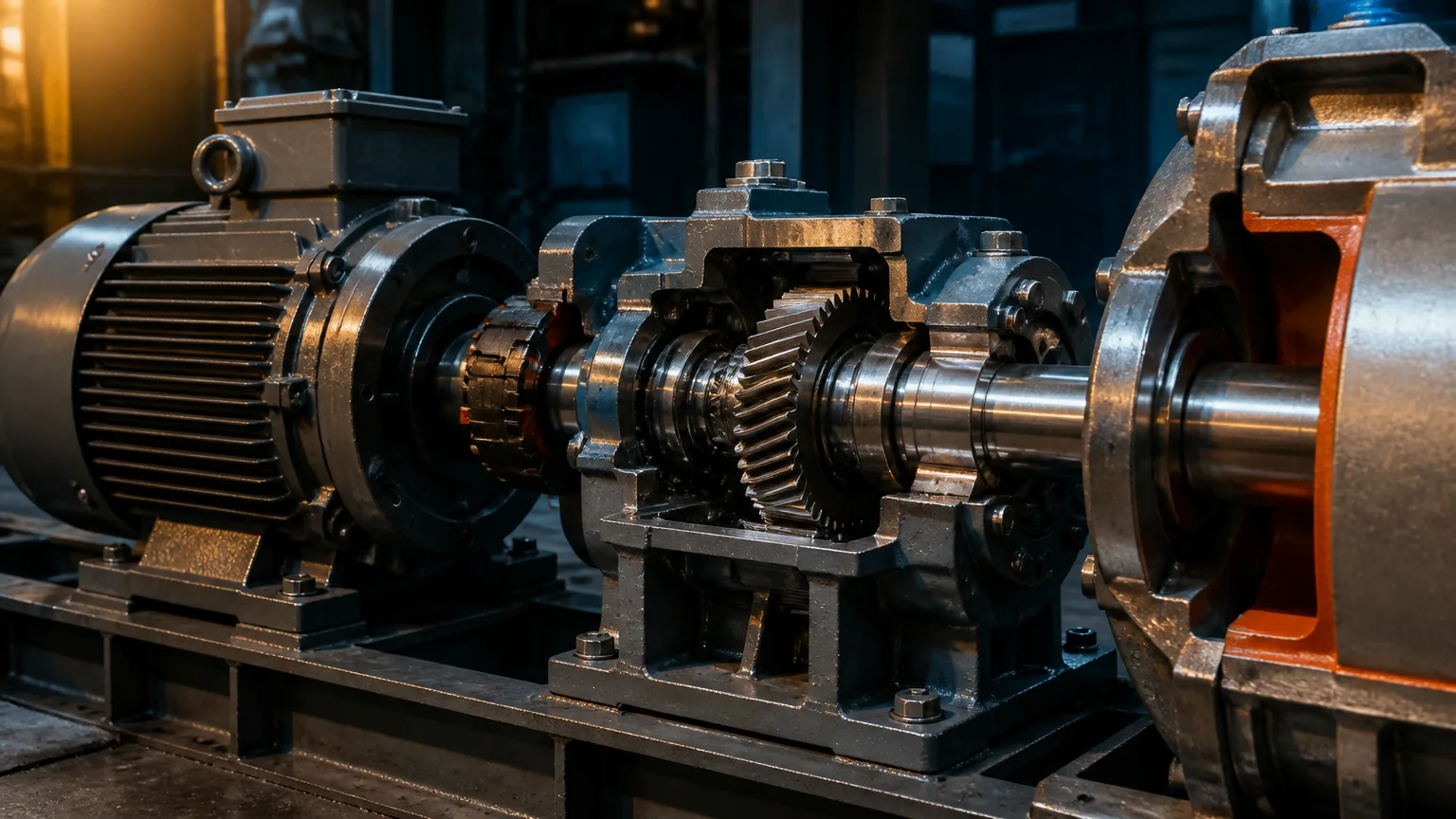
A drive mechanism transfers and controls power from a prime mover to industrial equipment. It typically includes the motor, coupling, gearbox, shafts, bearin…
A drive mechanism transfers and controls power from a prime mover to industrial equipment. It typically includes the motor, coupling, gearbox, shafts, bearin…
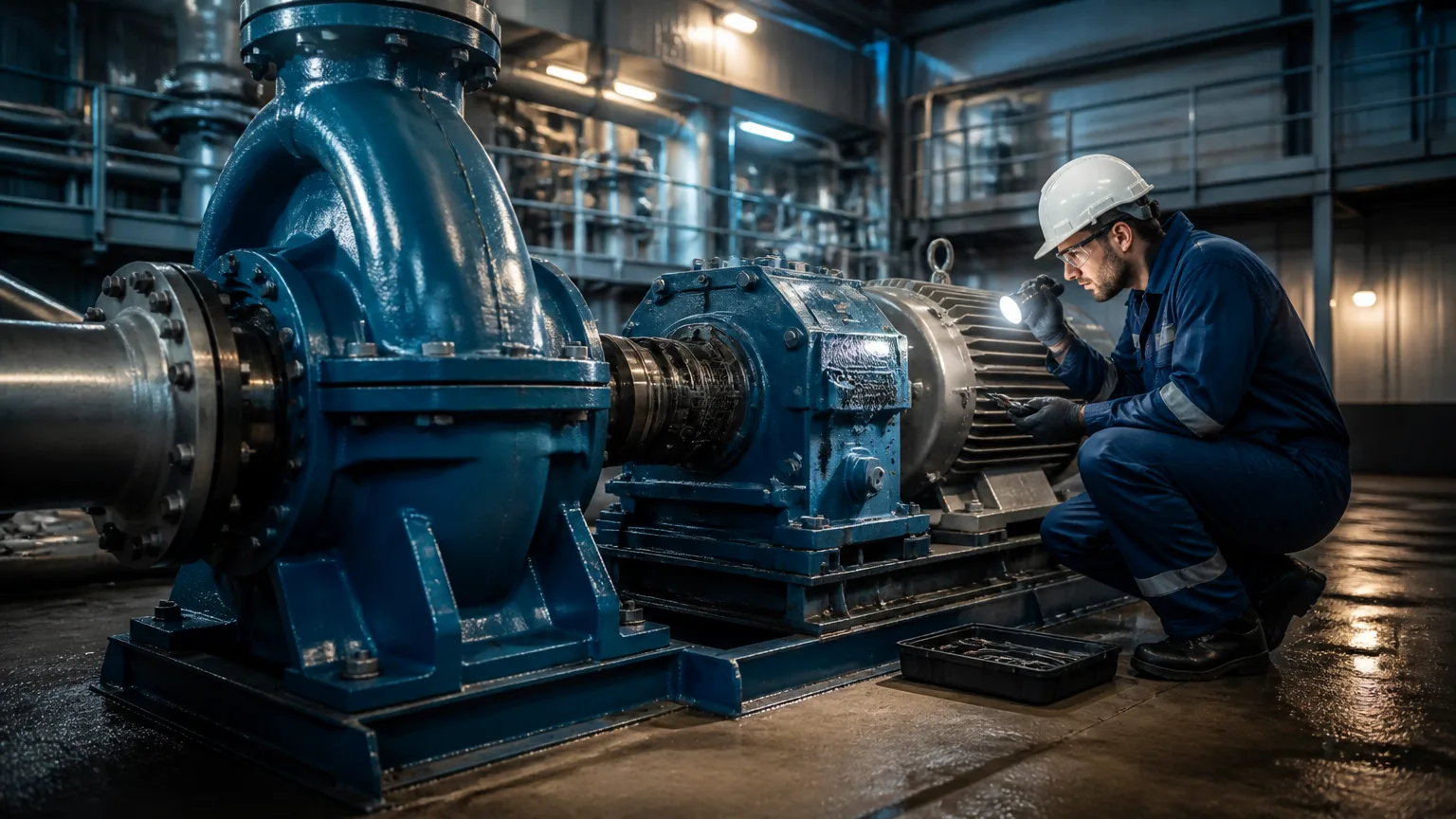
Water distribution equipment repair is essential to keeping municipal, agricultural, and industrial systems operating safely and efficiently. Pumps, motors,…
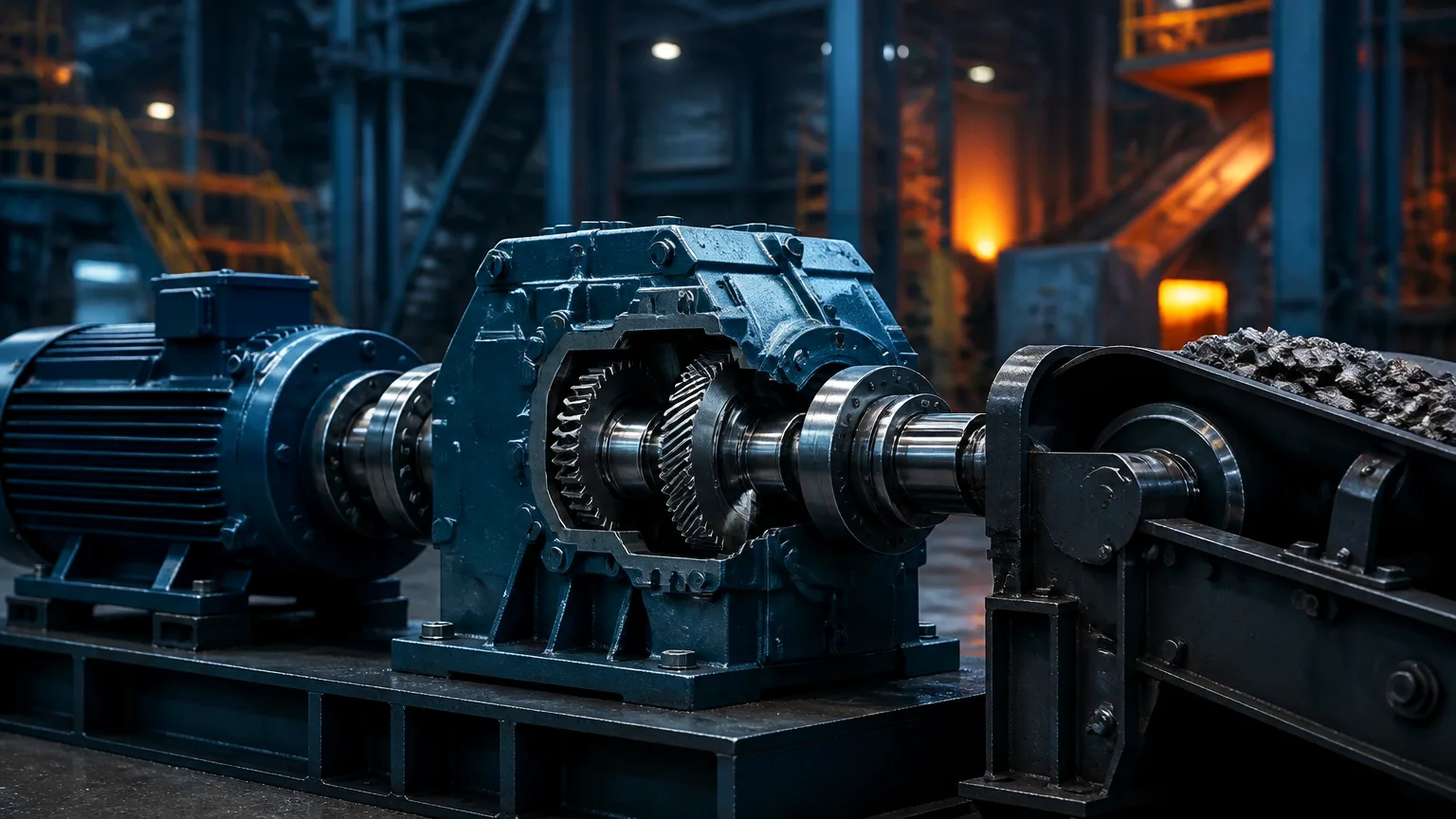
Reducer equipment plays a critical role in industrial power transmission. It lowers motor speed while increasing usable torque, enabling conveyors, mixers, p…
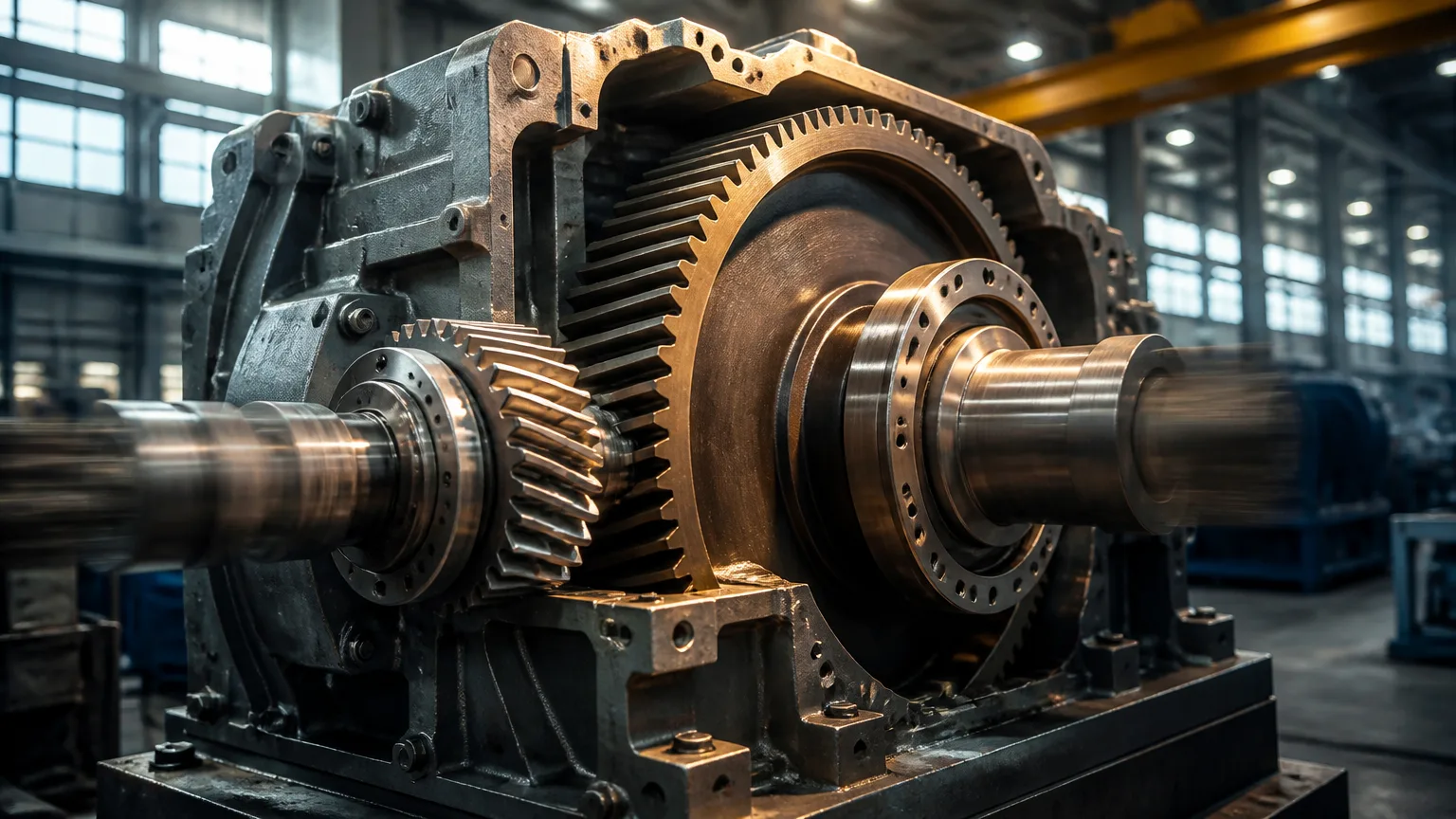
Speed reduction is the controlled lowering of motor speed before power reaches a driven machine. It helps manufacturers and facility operators match a fast e…

Torque conversion is the core function that allows an industrial gearbox to match motor output with production demands. Torque is rotational force, while spe…

Mechanical efficiency determines how much motor power reaches the driven equipment. In an industrial gearbox, losses occur through friction, gear-mesh contac…
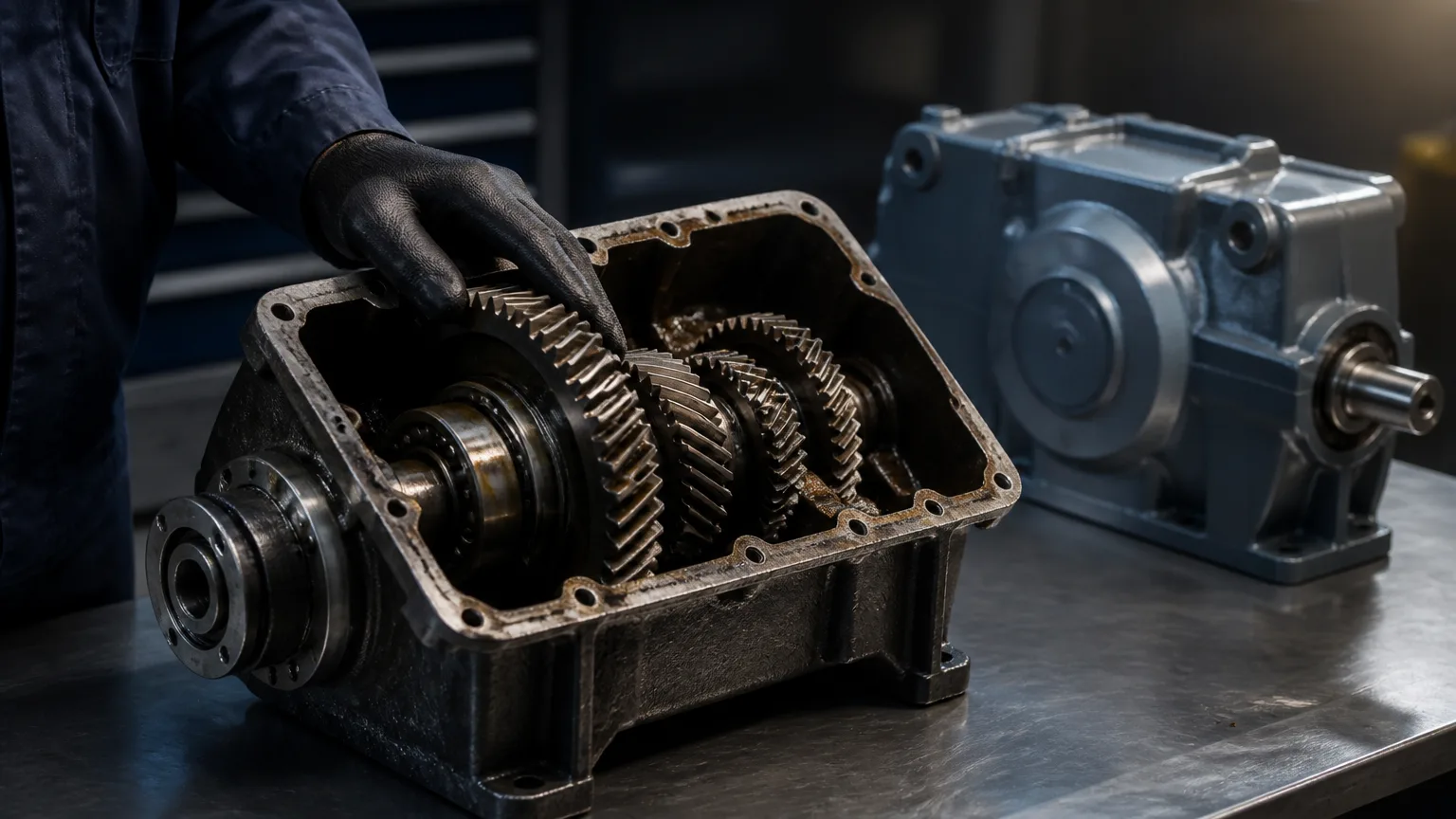
When a link belt gearbox develops noise, vibration, overheating, leakage, or reduced performance, manufacturers must decide quickly: repair it or replace it….
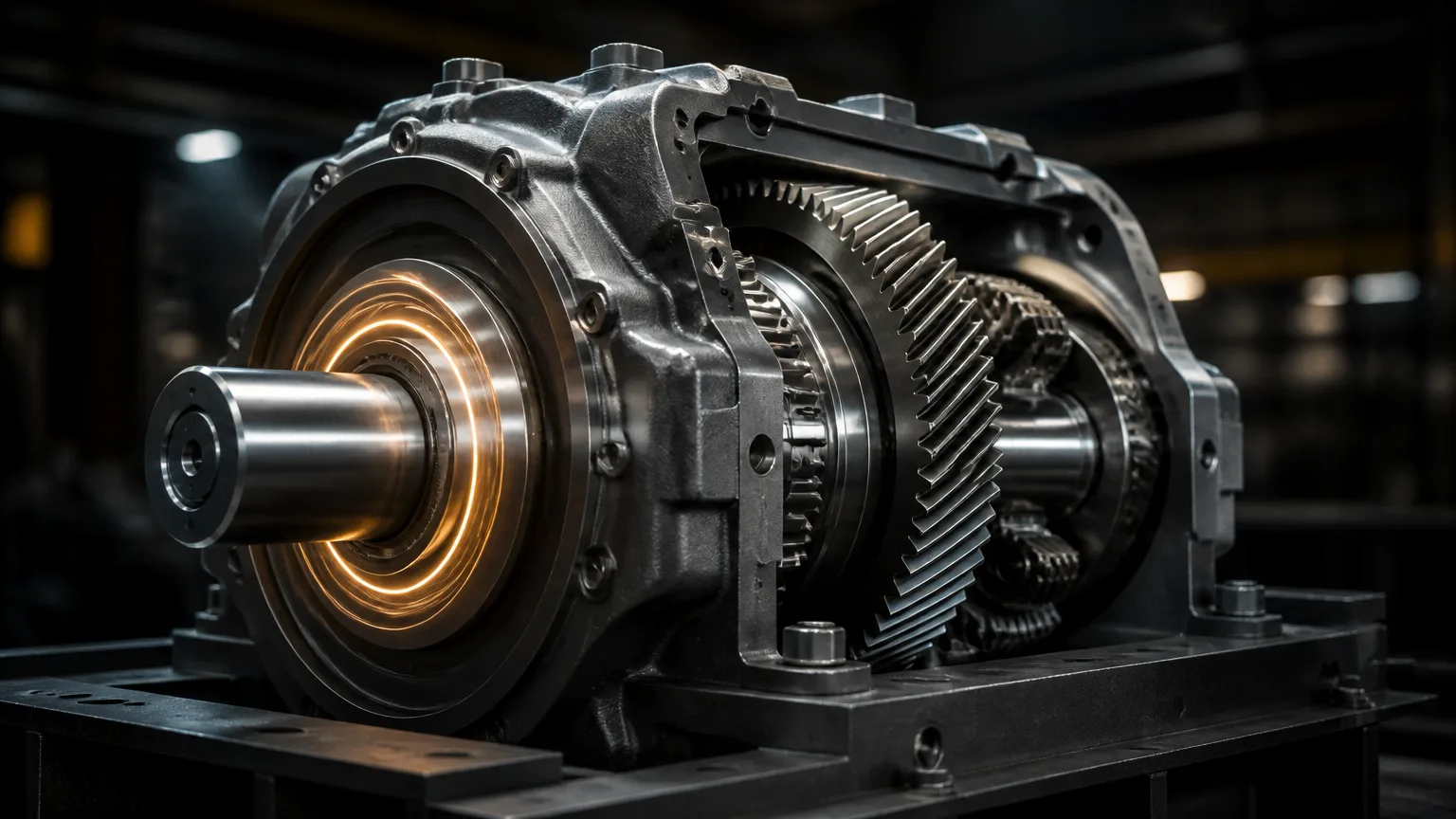
Torque capacity is the twisting force a gearbox can transmit continuously and during short-term operating demands. It is a primary selection criterion, yet h…
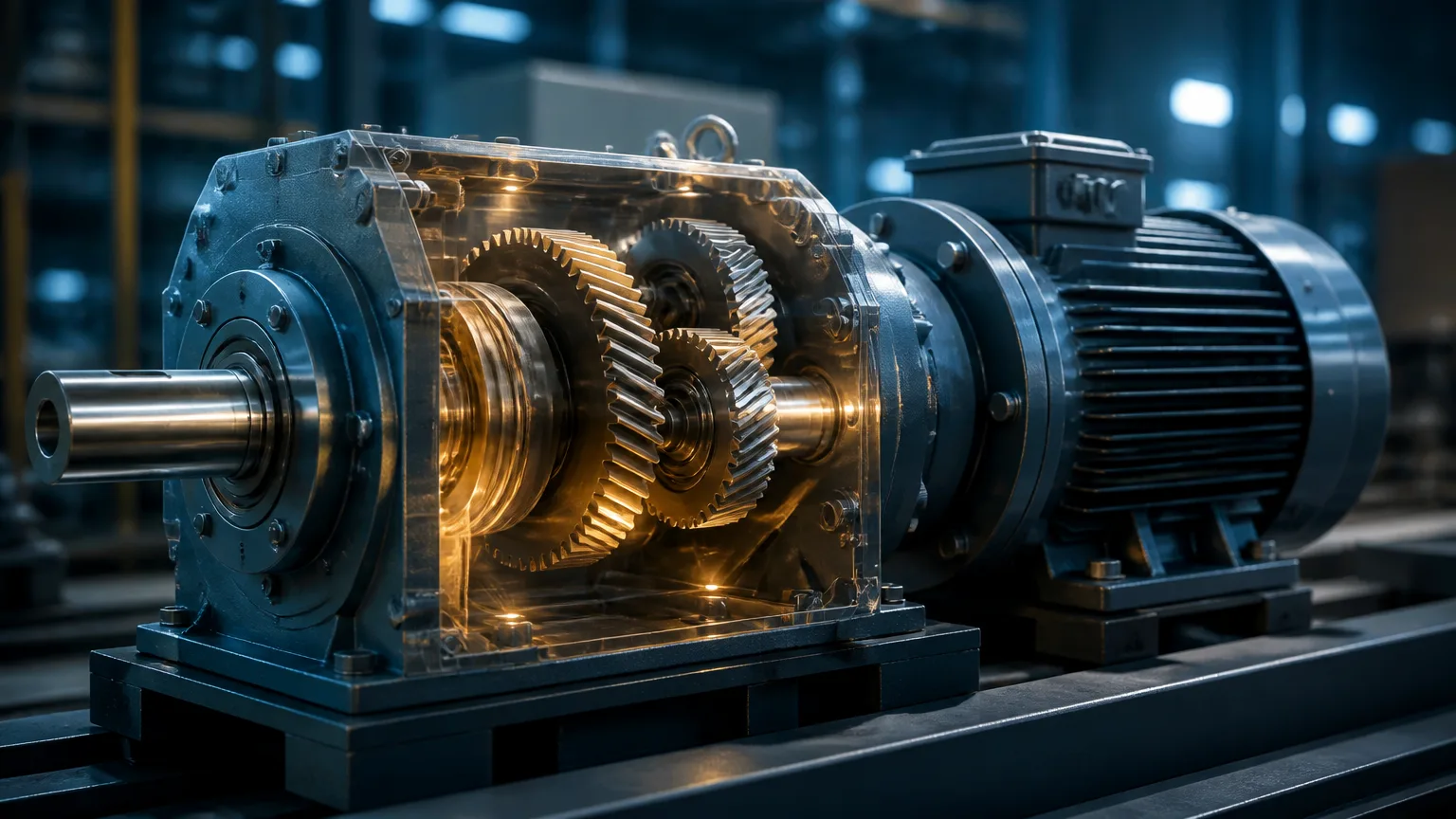
Power transmission depends on the gearbox to transfer motor power, reduce speed, and increase usable torque. This makes the gearbox central to production upt…
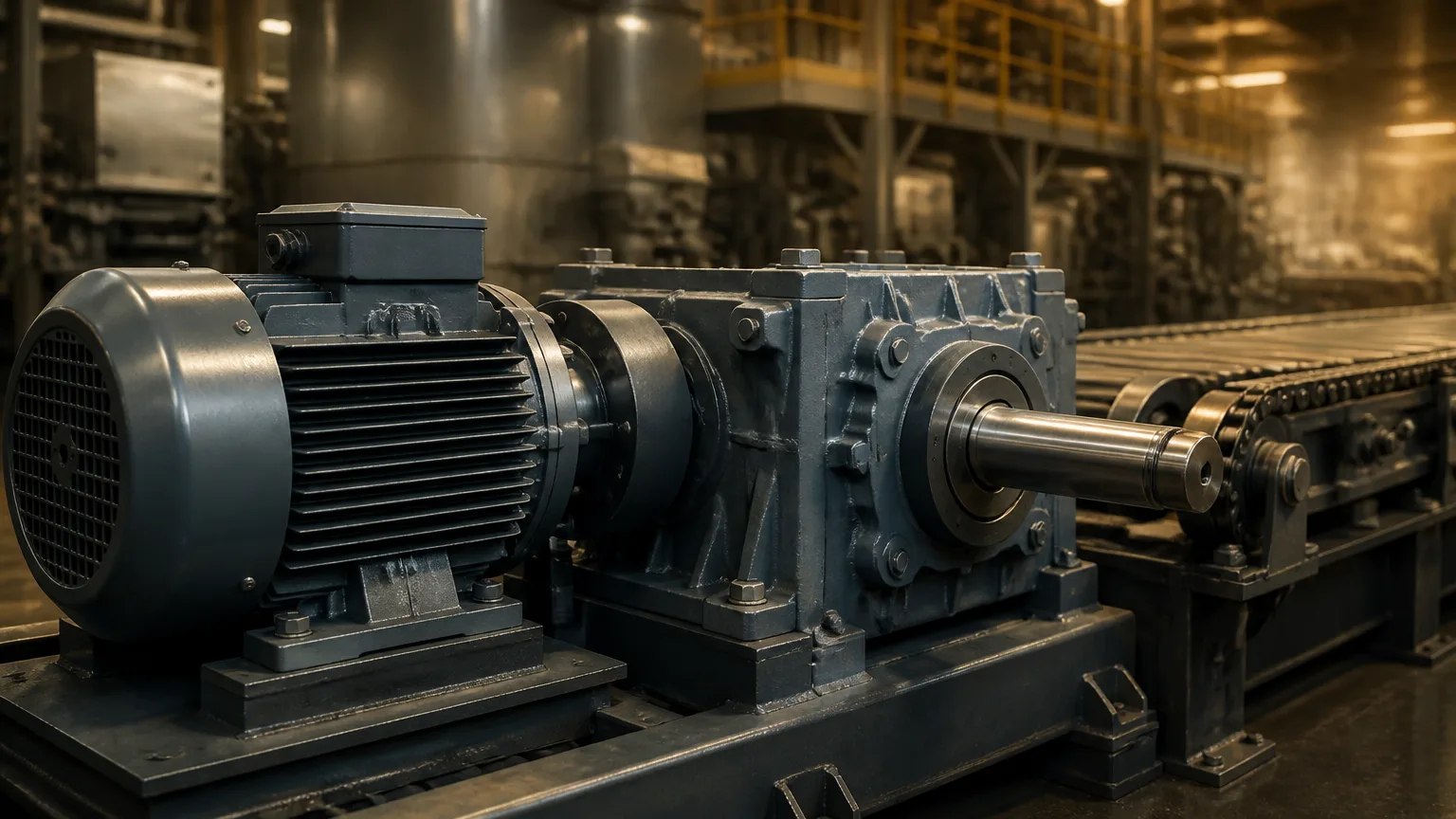
Electric motor applications power nearly every industrial environment, from manufacturing lines to processing plants. Yet selecting a motor alone does not gu…